Overview
Colonial Coins, Inc. of Houston, Texas was a precious-metals dealer, bullion issuer, and numismatic firm founded by Dr. George W. Vogt. Established in the mid-1960s, the company grew into one of the largest regional gold and silver operations in the United States by the early 1980s. Colonial Coins conducted business nationally through retail sales, wholesale distribution, trade shows, and mail-order catalog operations. They were a part of the broader Texas private minting system (see the Texas Mints guide).
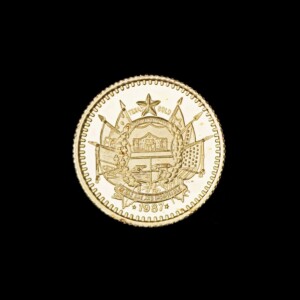
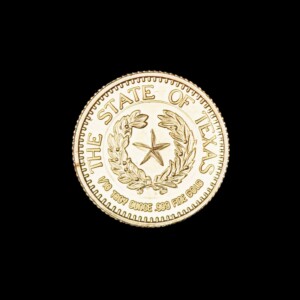
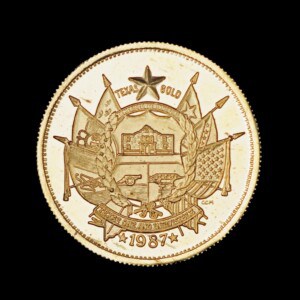
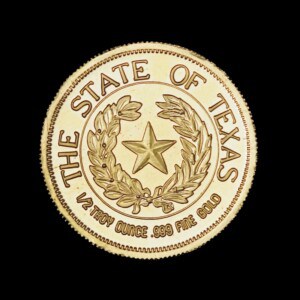
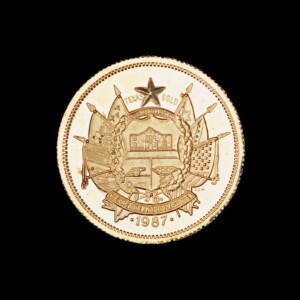
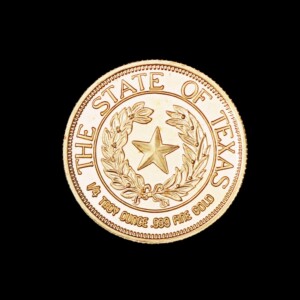
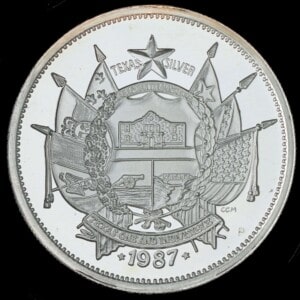
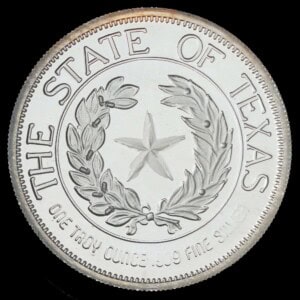
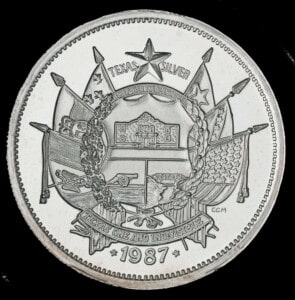
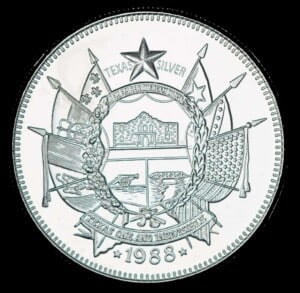
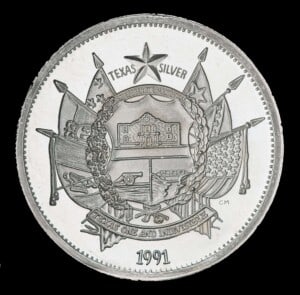
The firm was active in bullion, rare coins, investment metals, and commemorative medal programs throughout the 1970s and 1980s. Colonial Coins is best known today for its involvement in the Texas Sesquicentennial bullion programs of 1986, which produced a series of Texas-themed gold and silver rounds and presentation sets where were marketed as “The Official Texas Bullion” and “Texas Sesquicentennial Official Logo Program”. Colonial also independently issued several Texas and Houston themed rounds.
Colonial Coins Identification
| Field | Information |
|---|---|
| Mint Name | Colonial Coins, Inc. |
| Location | Houston, Texas |
| Address | 909 Travis Street |
| Founder | Dr. George W. Vogt |
| Years of Operation | mid-1960s – early/mid-1990s |
| Known Mint Marks | CSM, CCM, CM, P, none |
| Major Program | Official Texas Bullion (1986–1991) |
Colonial Coins is among the most important documented private bullion issuers in Texas numismatic history.
Corporate Information
Company Name: Colonial Coins, Inc.
State of Incorporation: Texas
Headquarters: 909 Travis Street, Houston, Texas
Founder / President: Dr. George W. Vogt
Texas Secretary of State records confirm Colonial Coins, Inc. as a Texas domestic corporation. In January 1986, the company filed an assumed-name certificate for Texas Sesquicentennial Coins, Inc., a branding designation used in connection with its Sesquicentennial coins program.

Colonial Coins operated as both a retail coin shop and a regional bullion dealer, supplying investment metals and numismatic material to collectors and investors across the United States.
Official Texas Bullion Program (1986–1991)
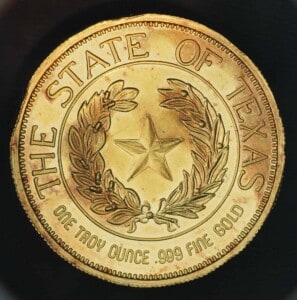
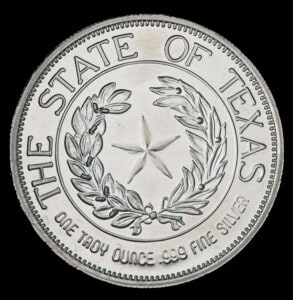
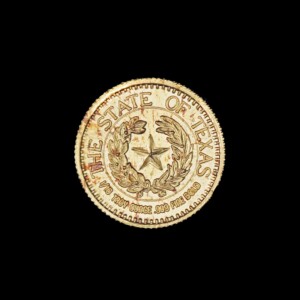
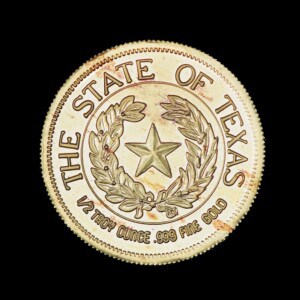
During the Texas Sesquicentennial celebration in 1986, Colonial Coins was designated by the Texas Sesquicentennial Commission as a licensed producer and vendor of official Sesquicentennial bullion and medallions.
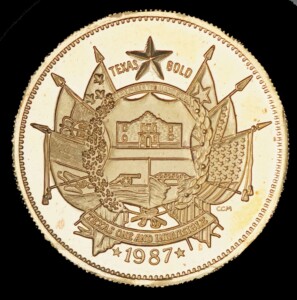
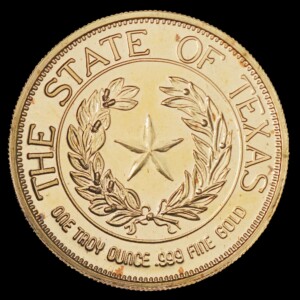
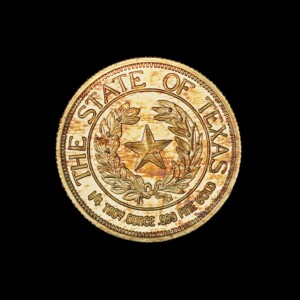
Commission press releases document that Colonial Coins introduced its Sesquicentennial bullion products in June 1986. The program included gold, silver, and brass medallions bearing the Great Seal of Texas and other Texas-themed designs. These pieces were marketed through Colonial Coins’ Houston retail location, its national dealer network, trade shows, and mail-order catalog distribution.
The program included both individual bullion rounds and multi-denomination gold and silver presentation sets issued in 1986 and 1987.
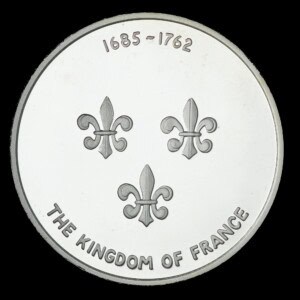
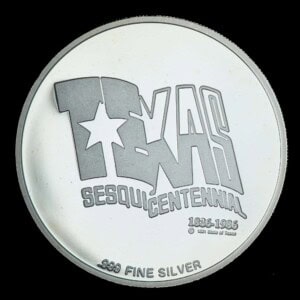
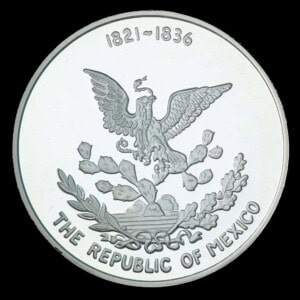
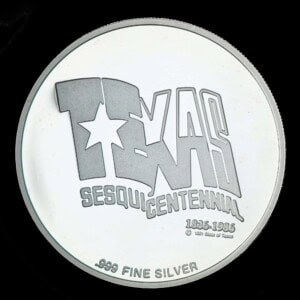
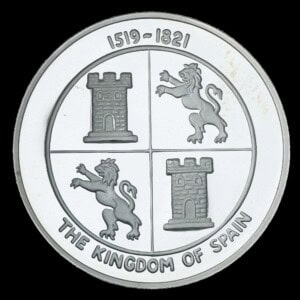
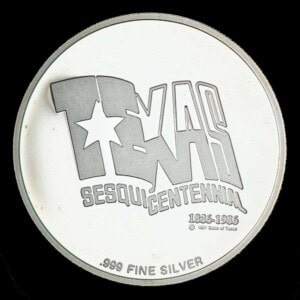
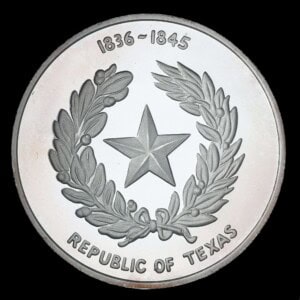
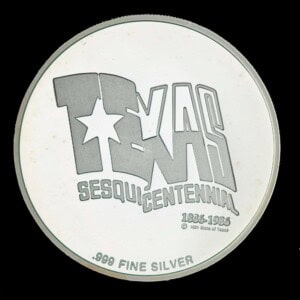
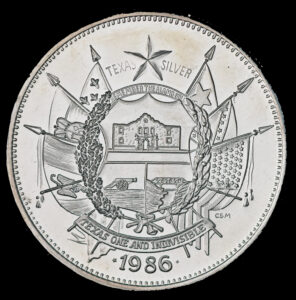
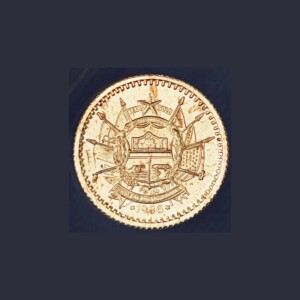
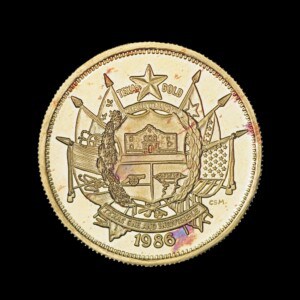
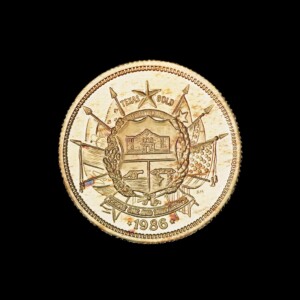
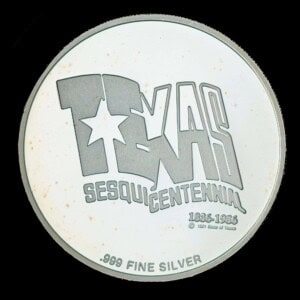
1986 Texas Sesquicentennial Logo Medallions
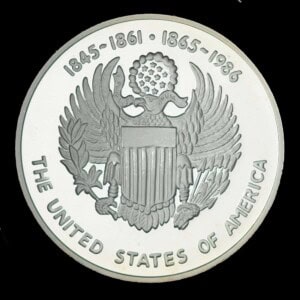
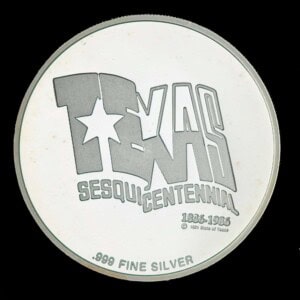
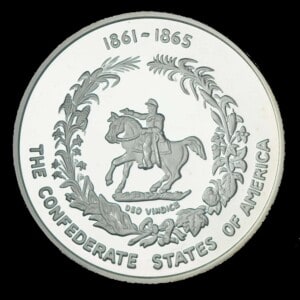
The 1986 Texas Sesquicentennial Logo Medallions – Six Flags of Texas was a commemorative medal program issued during the 150th anniversary of Texas independence. The series paired a common Texas Sesquicentennial logo reverse with six different obverses representing the historic flags and governing powers of Texas: France, Spain, Mexico, Republic of Texas, Confederate States, and United States.
Colonial Coins, Houston TX participated in the official Sesquicentennial souvenir market in 1986, offering Texas-themed bullion and commemorative products. The Six Flags medallions were marketed as collectible sets and individual pieces, reflecting strong public interest in Texas history during the anniversary year.
Production
In a February 22, 2026 telephone interview, founder Dr. George W. Vogt stated that Colonial Coins operated a coin press within its Houston facility and produced bullion rounds in-house. According to Vogt, the press was installed inside the company’s Houston shop and was at one time displayed in the shop window. The press was also transported to the Houston Rodeo and Livestock Show, where coins where promotional striking demonstrations were conducted.
Vogt stated that core Colonial Coins bullion rounds were produced in-house, while some separate commemorative programs involved outside manufacturing partners.
He further recalled that many issues were difficult to sell and were produced in relatively small quantities. Most issues were produced in the hundreds rather than thousands, while approximately 100 multi-denomination gold and silver sets were produced in total.
Mint Marks
Colonial Coins bullion rounds appear with several mint marks, including:
- CSM
- CCM
- CM
- P
- unmarked examples
According to Dr. Vogt, these mint marks represent internal designations used by Colonial Coins for its bullion issues.
Surviving examples of Texas Sesquicentennial rounds display multiple die varieties and mint-mark combinations consistent with private bullion production practices of the period.
Products and Output
Documented product areas associated with Colonial Coins include:
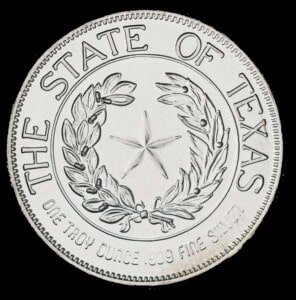
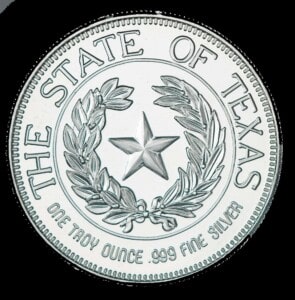
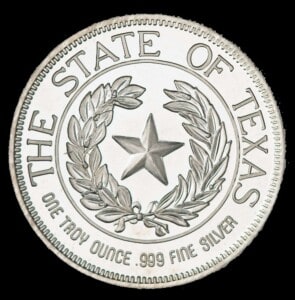
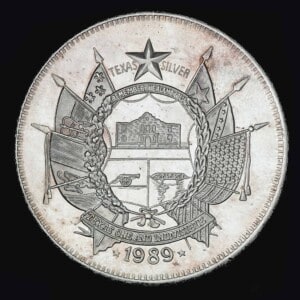
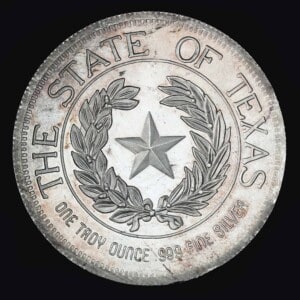
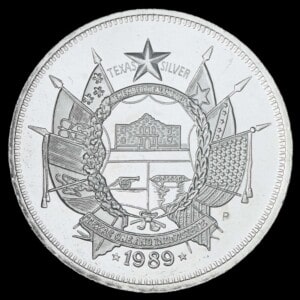
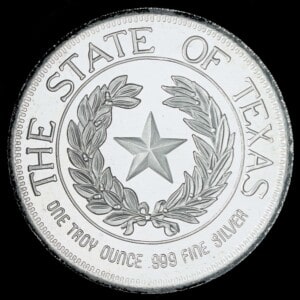
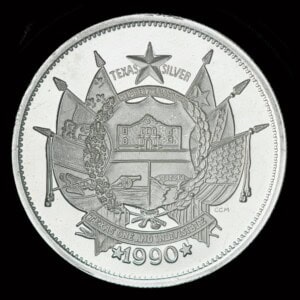
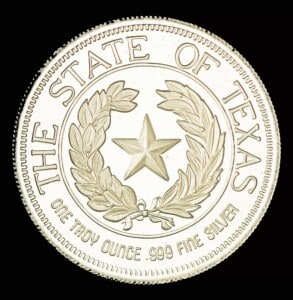
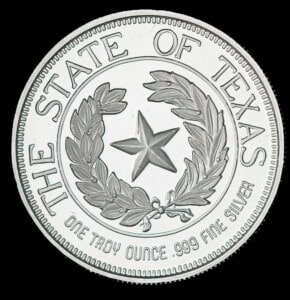
- 1986 – 1991 State of Texas Rounds
- 1986 Texas Sesquicentennial Logo Medallions
- Multi-denomination gold and silver bullion presentation sets
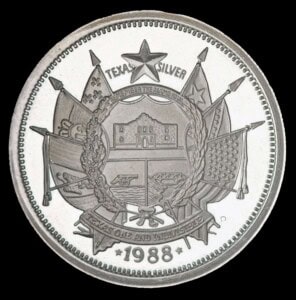
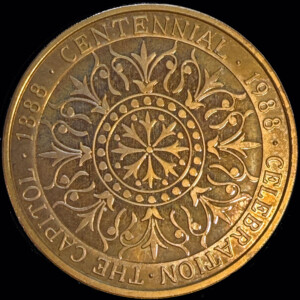
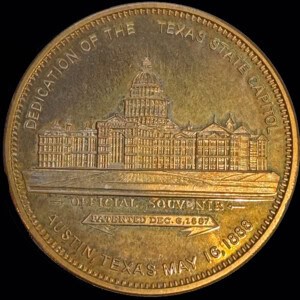
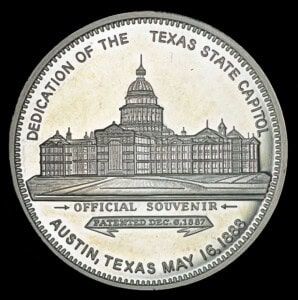
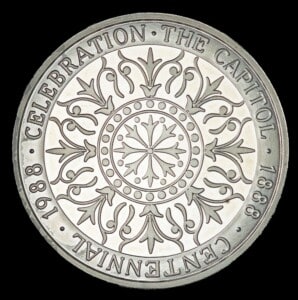
- 1988 State of Texas Capital Centennial Medallion
- Bullion bars and investment metals
- Rare coins and numismatic material
These products were distributed through Colonial Coins’ Houston retail location as well as through national dealer networks and catalog sales.
Historical Significance
Colonial Coins represents one of the most prominent Houston-based precious-metals dealers and bullion issuers of the late twentieth century. Through its involvement in the Texas Sesquicentennial bullion programs and its national bullion distribution network, the firm played a significant role in the development of Texas-themed private bullion issues during the 1980s.
Sources
- Texas Secretary of State corporate filings
- Texas Sesquicentennial Commission press releases (1986)
- Colonial Coins corporate literature and promotional materials
- Telephone interview with Dr. George W. Vogt, February 22, 2026
Texas Stacker Note: Texas Stacker Note: I would like to thank Dr. George W. Vogt for taking the time to speak with me and share firsthand recollections of Colonial Coins. His perspective provided valuable context for documenting this important chapter of Texas numismatic history. The Texas Stacker.
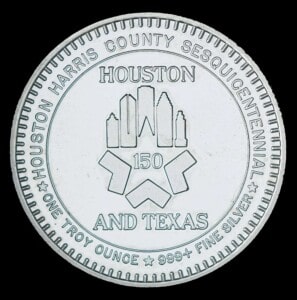
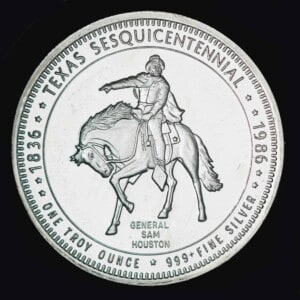
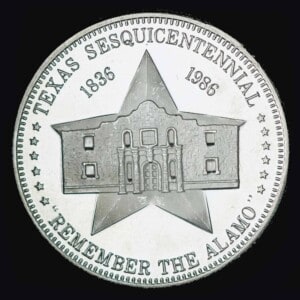
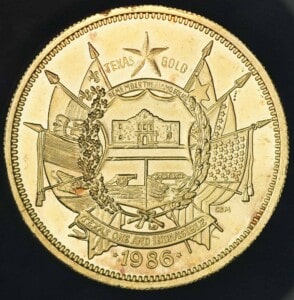
Coins from Colonial Coins (Houston TX) (27)
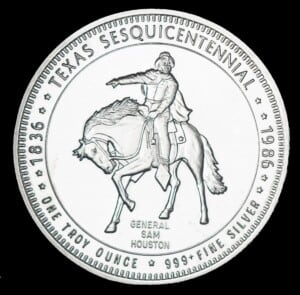
1986
1986 Texas Sesquicentennial Logo Silver Medallion – Confederate (Tri-State)