Overview
Don Casey Company – Silvex Systems – Texas Mint Company formed an interconnected North Texas precious-metals network operating primarily during the late 1970s and early 1980s. Centered in Garland, Texas and tied directly to Charles Don Casey, the businesses combined silver reclamation, refining, metals brokerage, and private bullion production during the formative years of the modern American silver boom.
The network represents one of the earliest documented Texas-based private bullion operations of the period and played a significant role in the transition from industrial silver recovery into Texas-branded private mint products.
Don Casey Company, Inc.
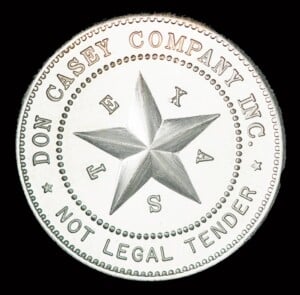
Don Casey Company, Inc. was incorporated in Texas on April 5, 1974 and operated from Garland, Texas. The company specialized in recovering and refining silver from photographic and industrial materials, a rapidly growing industry during the 1970s due to the large volume of silver-bearing waste generated by commercial photography, printing, medical imaging, and industrial processing.
The company later expanded beyond refining into bullion production, including poured silver bars and struck silver products associated with the early Texas private bullion movement.
Corporate records identify Charles Don Casey as president of the company. Operations were based at 213 Garvon Street in Garland, Texas, within a light-industrial area consistent with refining, storage, and manufacturing activity.
Although Don Casey Company, Inc. was involuntarily dissolved in 1983, surviving bullion products attributed to the operation indicate that related business activity continued afterward through associated entities and successor companies.
Years of Operation
- Founded: ~1974
- Location: Garland, Texas
- Business: silver reclamation and refining
- Products: poured bars, bullion rounds
- Associated names: Silvex Silver Systems, Texas Mint
- Production peak: late 1970s–1980s
- Closed: early 1990s
Silvex Silver Systems
Texas corporate filings document the related entity Silvex Metal Brokerage, Inc.
Silvex Metal Brokerage, Inc. was incorporated in Texas in 1980. Texas Secretary of State records identify Don Casey as registered agent, with the business operating from 229 Garvon Street in Garland, Texas.
The corporation appears to have functioned as a metals brokerage and bullion-trading arm within the broader Don Casey business structure. The close proximity between the Don Casey Company and Silvex addresses strongly supports the interpretation that the operations functioned together as part of a unified precious-metals network.
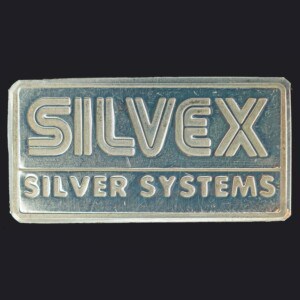
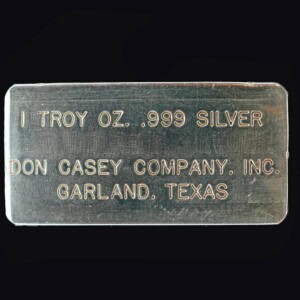
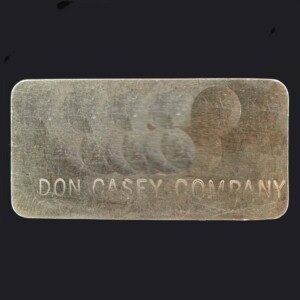
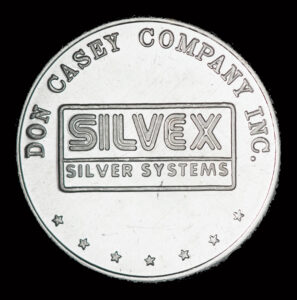
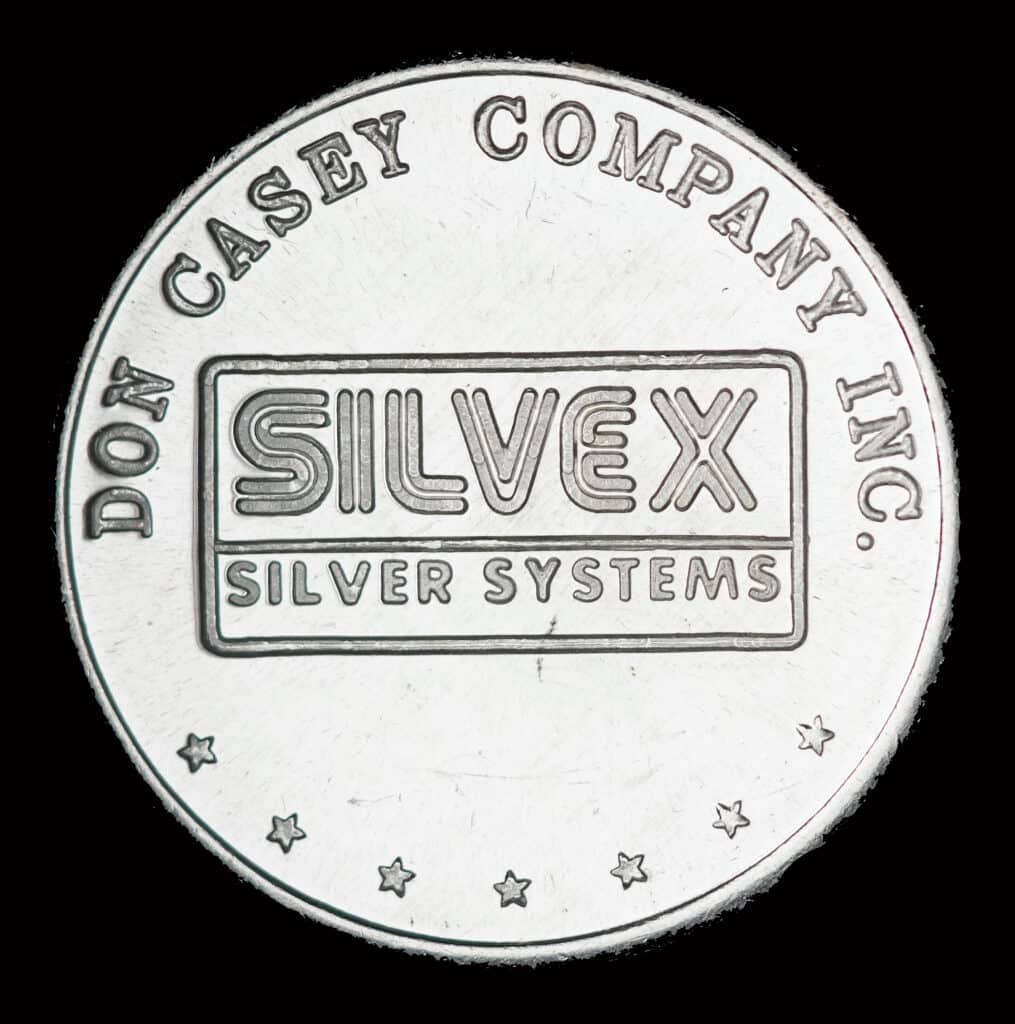
Surviving bullion products bearing both DON CASEY COMPANY INC. and SILVEX SILVER SYSTEMS markings establish a direct operational relationship between the entities.

Current evidence supports Silvex functioning within the broader Don Casey business network rather than as an unrelated independent operation.
Texas Mint
Branded Silver Bullion
Texas Mint Company was incorporated on December 23, 1981 as a separate Texas corporation. The Articles of Incorporation list Charles Don Casey among the initial directors, directly linking the corporation to the broader Don Casey business network.
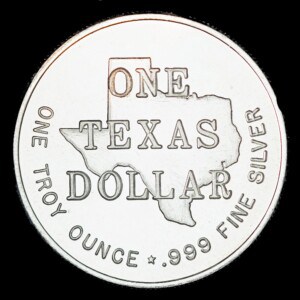
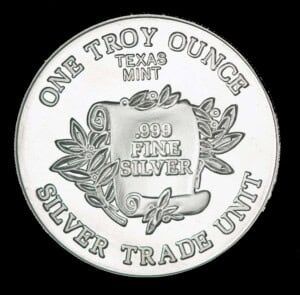
The formation of Texas Mint Company appears to represent the expansion of the operation into branded bullion and Texas-themed private mint products during the early 1980s silver boom. The corporation operated in connection with the TEXAS MINT and TEXAS DOLLAR trademarks and is associated with a variety of early Texas private bullion issues from the period.
Texas Mint Company continued operating after the dissolution of Don Casey Company and ultimately forfeited its charter in 1990.
The “Texas Mint” Identity
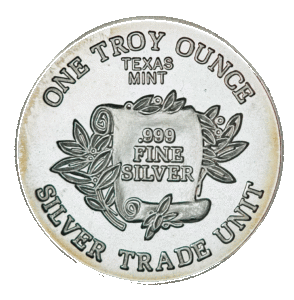
The term “Texas Mint” functioned both as a registered business identity and as a federally protected trademark within the Don Casey business network.
Current evidence indicates that ‘Texas Mint’ functioned primarily as a business identity and bullion trademark within the broader Don Casey network rather than as a completely separate standalone minting operation. Surviving bullion products using the TEXAS MINT name are closely tied through corporate filings, trademarks, addresses, and shared leadership to the interconnected Garland-based entities associated with Charles Don Casey.
Known Products and Bullion Types
Documented products associated with the Don Casey / Silvex / Texas Mint network include:
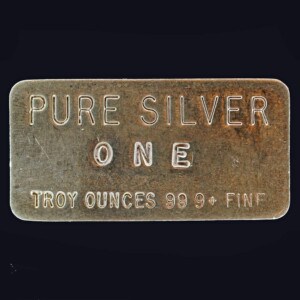
- Poured silver bars
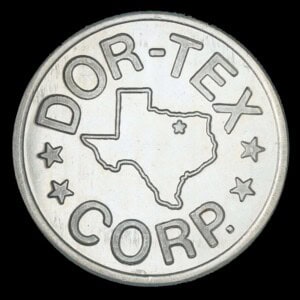
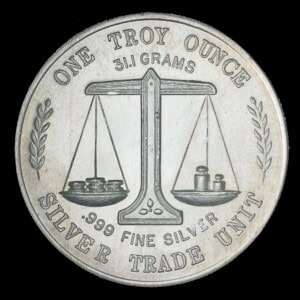
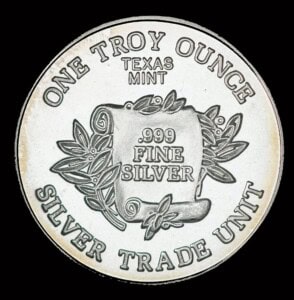
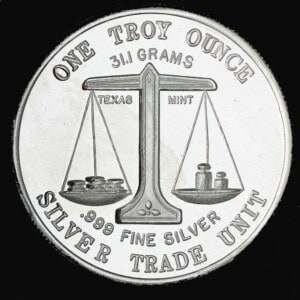
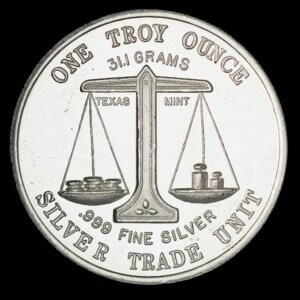
- Silver trade units
- Texas Dollar rounds
- Texas-themed commemoratives
- Generic bullion rounds
- Early Texas private-mint silver issues
- Silver Reclamation: Photographic and industrial silver recovery
- Bullion Products:
- Poured silver bars
- Commonly observed sizes: ~5 oz, ~7 oz, ~10 oz, ~25 oz
- Branding:
- Silvex Silver Systems
- Don Casey Company
- Texas Mint / The Texas Mint
- Associated product branding: Texas Dollar
Rim Analysis
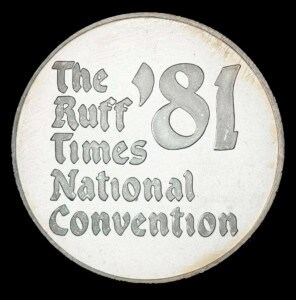
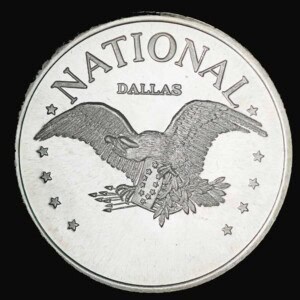
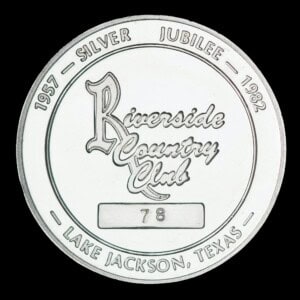
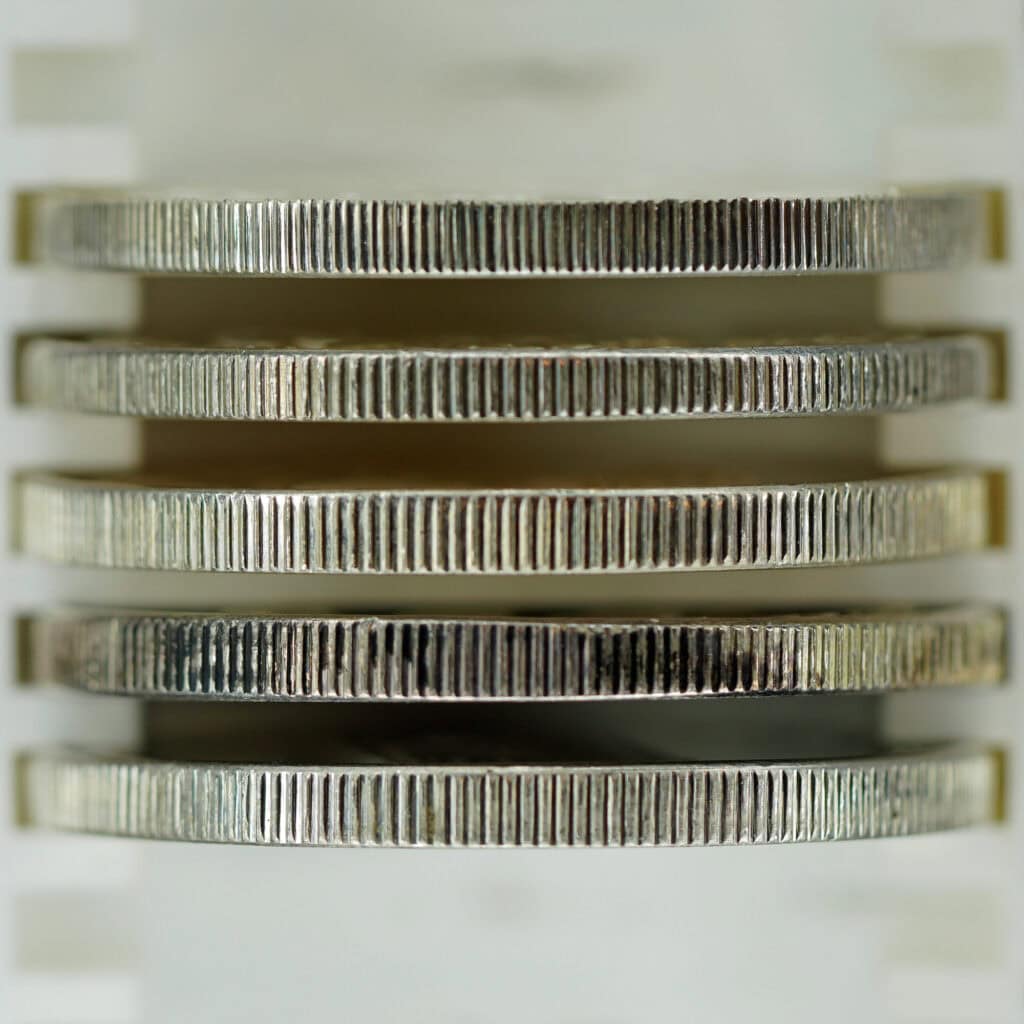
A comparison of the Riverside Golf, Ruff Times Convention, National Dallas, Don Casey Texas Dollar, and Silvex Silver Systems rounds revealed remarkably similar reeded-edge characteristics. All five exhibit comparable reed pitch, spacing, depth, and profile geometry, with no significant differences suggesting separate manufacturing sources. While rim analysis alone cannot prove attribution, the similarities support a common production environment and are consistent with manufacture within the Texas Mint Silver Trade Unit program operated under Don Casey Company.
Historical Significance
Don Casey Company occupies a foundational position in Texas numismatic history:
- First legally registered Texas Mint
- Early adopter of Texas-branded bullion and “Texas Dollar” identity
- Combined refining, metals brokerage, and bullion production under closely related corporate entities
- Key transitional link between industrial silver reclamation and collector bullion markets
The businesses collectively represent an early vertically integrated Texas precious-metals operation combining: silver reclamation, refining, metals brokerage, bullion manufacturing, branded private-mint marketing during a pivotal period in the growth of modern American silver bullion markets.
The surviving silver bars and trade units from these operations are now recognized as important artifacts of the early Texas private bullion movement and the broader American silver boom of the late 1970s and early 1980s.
Research Status
Research into the Don Casey / Silvex / Texas Mint network remains ongoing. Current attribution is supported through Texas corporate filings, trademark records, surviving bullion products, and comparative production analysis. Additional documentation—including period advertisements, invoices, and operational records—may further clarify the relationship between the entities and the scope of their bullion production activities.
Coins from Don Casey Company – Silvex Systems – Texas Mint (Garland, TX) (8)